- writing date 2023.12.18
- author KU TODAY
- hits 73
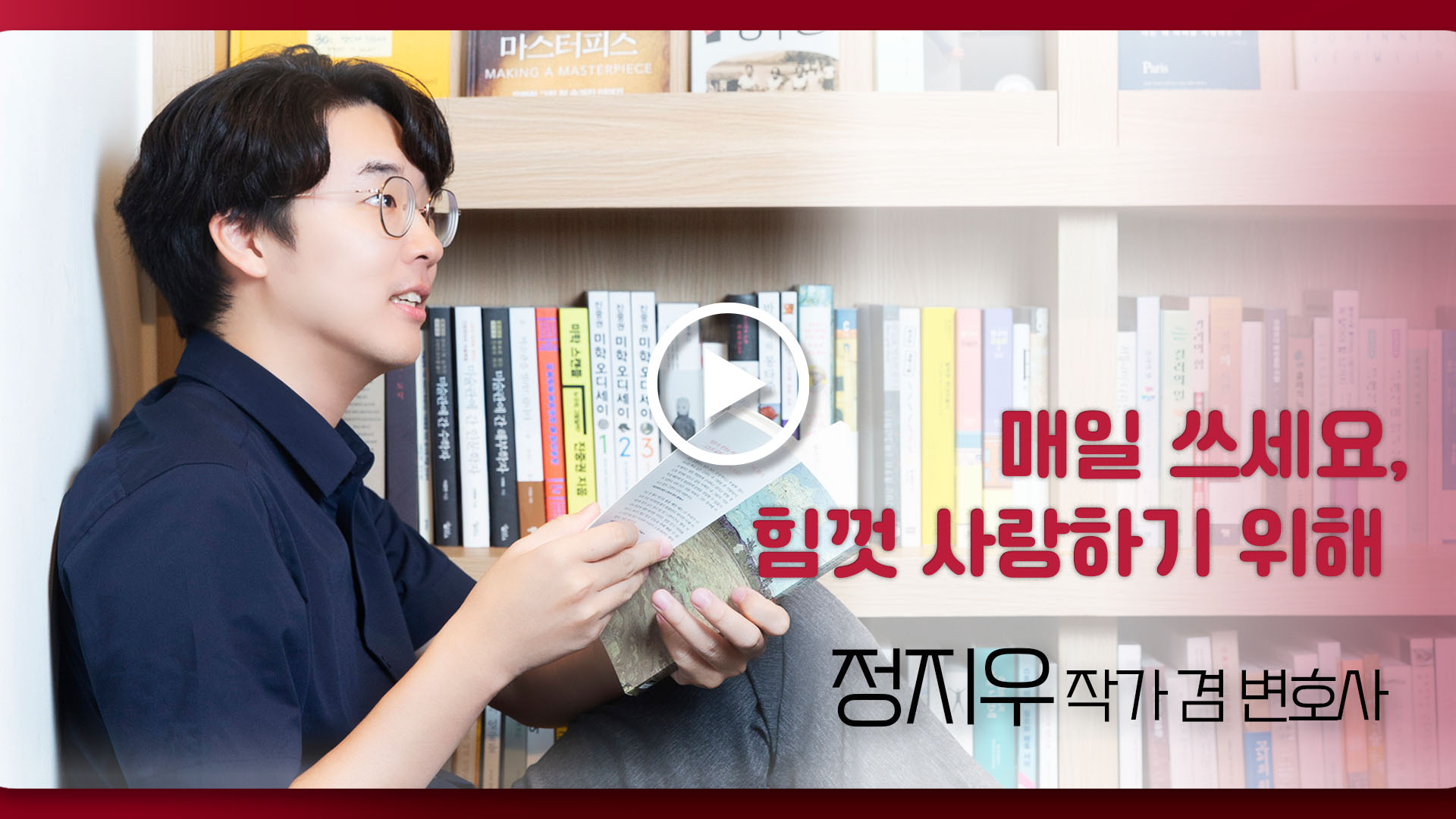
Writer/Attorney at Law Jiwoo Jung
Love Every Moment
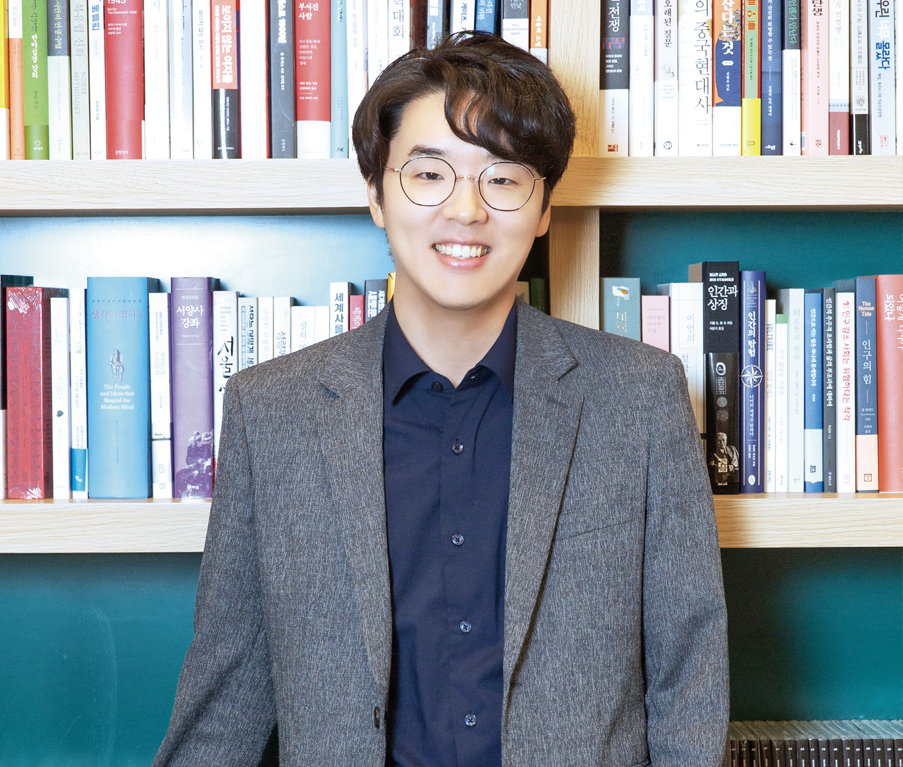
Recently, Chanwoo Jung, a College of Liberal Arts alumnus, received the Proud Alumnus of the College of Liberal Arts Award from the Bosung College Alumni Association. He is also known as Jiwoo Jung (정지우), the pen name he has used for his publications, such as 청춘 인문학 (Humanities for the Youth, 2012), 인스타그램에는 절망이 없다 (No Despair on Instagram, 2020) and 사랑이 묻고 인문학이 답하다 (Love Asks; Humanities Answer, 2023), where he has discussed issues that concern young people, love and writing itself. While he has been working as a lawyer at a firm specializing in intellectual property for three years now, he has never stopped writing. KU Today asked him how young people should approach life today.
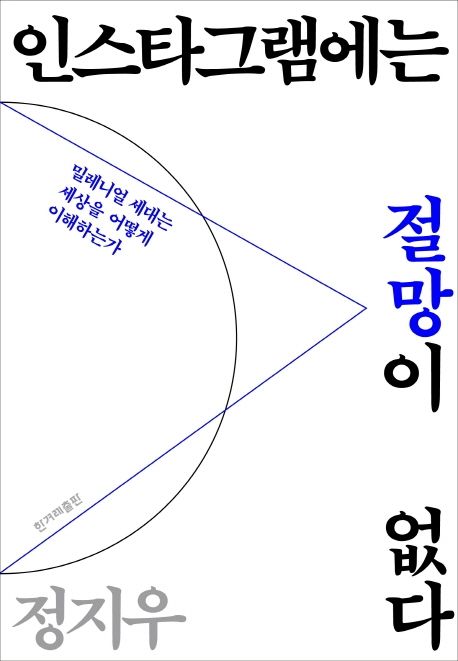
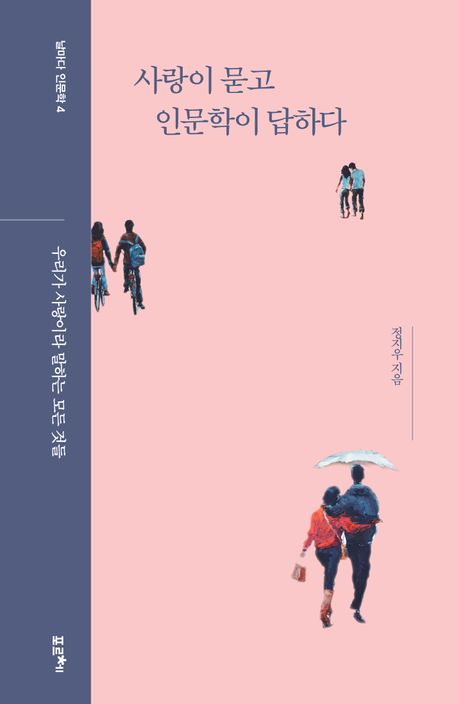
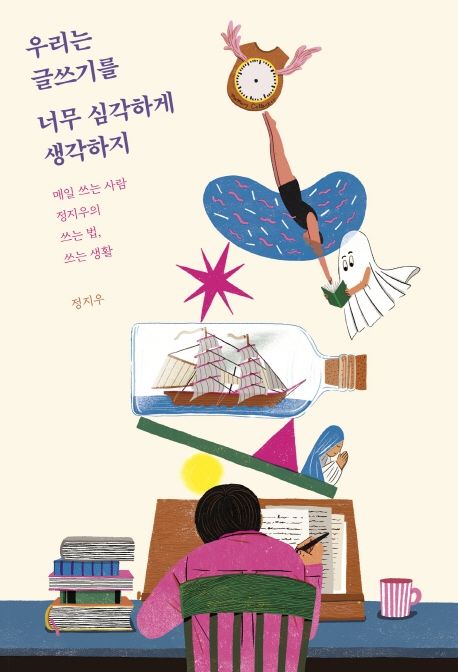
Books authored by 정지우:
인스타그램에는 절망이 없다 (No Despair on Instagram) (Hangyeore Press)
사랑이 묻고 인문학이 답하다 (Love Asks; Humanities Answers) (Porche)
우리는 글쓰기를 너무 심각하게 생각하지 (We All Take Writing Too Seriously) (Munye Press)
A Young Man Who Dreamed of Becoming a Novelist Fell in Love with Humanities
Jiwoo Jung, a writer and lawyer, confesses that he was not particularly fond of reading as a child. However, he was drawn to the charm of fantastical stories and developed a dream of becoming a writer. He then went on to study Korean language and literature at Korea University. He remembers his college years as a time when he "read and wrote as much as I wanted in the library." He says, "I liked games like any other boy, but at a certain point the story behind an RPG game I was playing was so interesting that I thought I should try writing it as a novel. That's when I started writing stories in my own way. In college, I came to love classical and modern literature, the works of Hermann Hesse for example, and I borrowed a lot of books from the library every day."
His passion, which had once been focused on becoming a novelist, soon turned to writing books on humanities. His insightful books such as 청춘 인문학 (Humanities for the Youth) and 분노 사회 (The Anger Society) were both published during his college years. His pen name, "Jiwoo Jung," which he still uses today, was also born at this time. He kept his writing a secret. He wrote while hiding behind his identity of a young man in his 20’s because of his deep love for humanities. He says, "I thought I should bury myself in university while studying literature and philosophy. There were so many interesting lectures that I would audit three extra courses in addition to the required credit courses. I didn't want to leave the sea of knowledge where I could meet all the great intellects of humanity."
Comparing Oneself with Others: The Source of Anxiety
Jung loved to learn so much that he entered graduate school to study Korean language and literature, but he soon felt lost as his research scope narrowed. He wanted to experience a different life outside of school. "I meandered a lot after finishing the coursework at the graduate school. I was around 30 years old then. I failed several times to get a job at broadcasting companies, where I hoped to become a journalist or producer (PD). Then, my sister, who was already attending law school, encouraged me to study law. I finally got into law school on the second attempt. At first, my grades were bad and it was difficult, but I gradually came to feel the pleasure of studying law. Just like when you learn a new foreign language and it becomes fun when you understand the grammar, I started to understand legal terms."
Even after becoming a lawyer, Jung never stopped writing. In particular, his 2020 book, 인스타그램에는 절망이 없다 (No Despair on Instagram) drew quite a lot of attention by presenting meaningful insights on Korean society today. Perhaps because he had already passed through many trials and errors as a young man, Jung knows the concerns of other young people better than most. "The difficulties facing young people are clear. The skyrocketing prices of real estate, obstacles to women's careers and social polarization are all problems. But there are also things we need to address within the youth culture. In particular, social media platforms such as Instagram are full of these cosmetic and curated images. We have been accustomed to this ostentatious culture where people constantly worry about how to show others that they are doing great, which leads to feelings of relative deprivation in comparison with others.”
Jung says that we should value the small happinesses that are unique to ourselves, especially in this era where more consumption is often associated with more happiness. "Material well-being is important, but above all, we need to know what we truly want. For example, even after having a good, quality time drinking coffee and walking their dog on the weekend, people feel bad when they see their friends on Instagram spending time at a luxurious hotel. Isn’t it foolish to be swayed by those images, when we are fully capable of loving our own lives?"

"If you want to truly value your love, your work, and all other things you like, you have to fight almost every day. Fight the pressure to impress others. Everyday.”
Writing Through Tough Times
How can one identify and maintain one’s own values? Jung says writing everyday is the secret. "If you want to truly value your love, your work, and all the other things that enrich your life, you have to fight almost every day. Fight the pressure to impress others. Every day. Maybe this isn’t for everyone, but I think writing is a great way to do it. For me, as I write, I ask myself if I have been influenced by things I don’t approve of, and if there are still other things that I should love about my life. Sitting down to write is a very important time of the day for me.”
For 15 years his writings have been well received by many, recently in the format of short posts on Facebook and Instagram. He also sometimes holds writing workshops and publishes the writings of the group as newsletters. For him, writing is a way to love life, a habit, and a form of strength that helps him endure difficult times. "When my child was born during my first year of law school, I had to balance studying, parenting, and earning tuition at the same time. I took care of my child in the early morning while preparing for the bar exam. Especially in my last year of law school, I spent half a year in Busan and my wife spent the rest of the year in Seoul to raise our child. Someone might say, 'If you raise a child like that, you'll be unhappy,' or 'Having a child is crazy.' But I didn't feel that unhappy. In fact, because it was such a desperate time, the small moments we spent together were so precious and happy.” Jung’s writings from that time became the book 너는 나의 시절이다 (You Are the Moments of My Life).
Love. Despite Everything.
Jung often discusses social issues in his writings, but he also frequently talks about "love." He thought that it was too early to discuss love in his twenties when he was writing prolifically, but he realized what undeniable love is after his child was born. "If I had to, I might be able to survive without my job, romantic history and even marriage. But my child? I would never be able to do that. In the movie About Time, the main character keeps rewinding time, but he can’t do it anymore once his child is born. The birth of your child turns your whole life upside down. I simply know that my love for my kid is just undeniable. From the time they were born, I knew that my stories about love would always be true.”
Jung sympathizes with young people who are afraid to love and have relationships, but he recommends an attitude of persistence. "I feel that people are getting increasingly defensive about life. While there are more and more opportunities to meet new people, it also seems to be getting easier to cut them off if they do not seem to be a good fit. But relationships hurt. That’s a fact of life. The more time you spend with someone, the more you will find things you don't like about each other – naturally. But true love and relationships built on it go on ‘despite everything’. Our society and the people in it, I think, need to be more loving towards each other ‘despite everything’.”
With over 10 years of experience as a writer and cultural critic, Jung is currently working as a lawyer in the field of content copyright. As a novelist, humanities researcher and lawyer, he has been writing and loving at every stage of his life. His words, writings and life guide us to try to rewrite our reality beautifully and with warmth.
 정지우작가.jpg